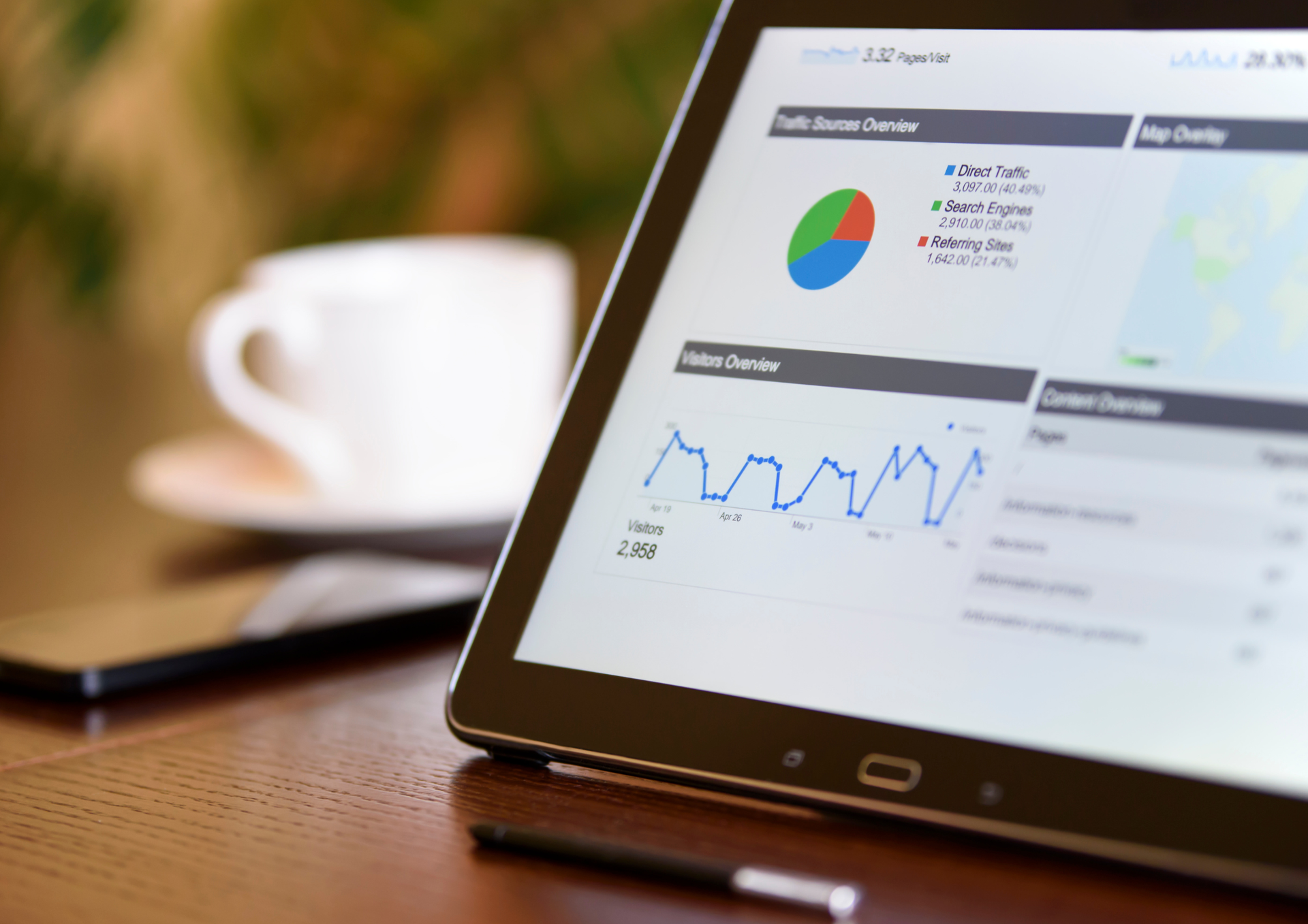

As businesses grow, so does the volume of data they need to manage. For homeware brands, health and wellness businesses, and retail companies, relying on disconnected tools or spreadsheets can quickly become inefficient and difficult to scale. Custom dashboards and portals offer a centralised way to view information, manage workflows, and support better decision-making.
Professional web development ensures these systems are built with clarity, security, and long-term usability in mind. Rather than adapting business processes to off-the-shelf tools, custom dashboards are designed around how organisations actually operate. This results in systems that save time, reduce errors, and provide meaningful insight at a glance.
This article outlines five key areas for building effective custom dashboards and portals.
Defining the Purpose and Users of the Dashboard
Every effective dashboard begins with a clear purpose. Before any development starts, it is essential to define what the system needs to achieve and who will be using it. A dashboard built for internal staff will differ significantly from a portal designed for customers, suppliers, or partners.
For retail businesses, dashboards may focus on sales data, inventory levels, or order tracking. Health and wellness organisations might prioritise bookings, client records, or performance metrics. Identifying key users and their goals ensures that the system presents relevant information rather than unnecessary complexity.
This planning stage is also where broader website development considerations are aligned, ensuring the dashboard integrates seamlessly with existing platforms and workflows rather than operating in isolation.
Structuring Data for Clarity and Insight
Dashboards are only valuable if the information they display is clear and actionable. Raw data must be structured, filtered, and presented in a way that supports quick understanding and informed decisions.
Key metrics should be prioritised, with visual elements such as charts, tables, or summaries used to highlight trends and exceptions. Overloading users with too much information can reduce effectiveness, so careful selection and organisation of data is essential.
This structured approach allows businesses to gain real insight rather than simply viewing numbers. It also creates a foundation that can be expanded as reporting needs evolve over time.

Designing User Interfaces for Ease of Use
Custom dashboards and portals must be intuitive to use, even for non-technical users. Clean layouts, logical navigation, and consistent design patterns help users interact with the system confidently and efficiently.
A front end developer plays a key role at this stage, ensuring the interface feels responsive, accessible, and aligned with the overall brand. Buttons, filters, and navigation elements should behave predictably, reducing the learning curve for new users.
For customer-facing portals, ease of use is particularly important. A clear interface encourages adoption, reduces support queries, and strengthens trust in the business providing the system.
Security, Access Control, and Reliability
Dashboards and portals often handle sensitive business or customer data, making security a critical consideration. Different users may require different levels of access, and systems must be designed to protect information appropriately.
Authentication, role-based permissions, and secure data handling are essential components of a professional build. Regular testing and updates help maintain reliability as systems and external integrations evolve.
Businesses working with a freelance web developer often value transparency around how security is implemented and maintained. Clear documentation and structured processes ensure confidence in the system long after launch.
Scalability and Long-Term System Growth
A custom dashboard should not be built only for current needs. As businesses grow, reporting requirements, user numbers, and data sources often expand. Scalable architecture allows new features or integrations to be added without rebuilding the entire system.
This forward-thinking approach reduces long-term costs and avoids disruption as operations evolve. Whether adding new user roles, connecting additional tools, or expanding reporting capabilities, a well-designed system adapts smoothly.
Many organisations searching for website developers near me are seeking long-term partners who understand how to build systems that grow alongside the business, rather than becoming outdated or restrictive.
Custom dashboards and portals provide businesses with greater control, visibility, and efficiency when developed correctly. By focusing on clear purpose, structured data, intuitive interfaces, strong security, and scalability, organisations can create systems that genuinely support day-to-day operations and strategic decisions.
For homeware brands, health and wellness organisations, and retail businesses, professional web development transforms complex data into accessible insight, helping teams work smarter and more confidently.
ETA Web Design Chorley specialises in developing custom dashboards and portals tailored to real business needs. We understand that these systems must be practical, secure, and easy to use, not just technically impressive.
Our approach combines careful planning, clear communication, and scalable web development practices. By building solutions around how your business operates, we help you gain better visibility, streamline processes, and create systems that continue to deliver value as your organisation grows.
New update on X: Building custom dashboards and portals through
web development!